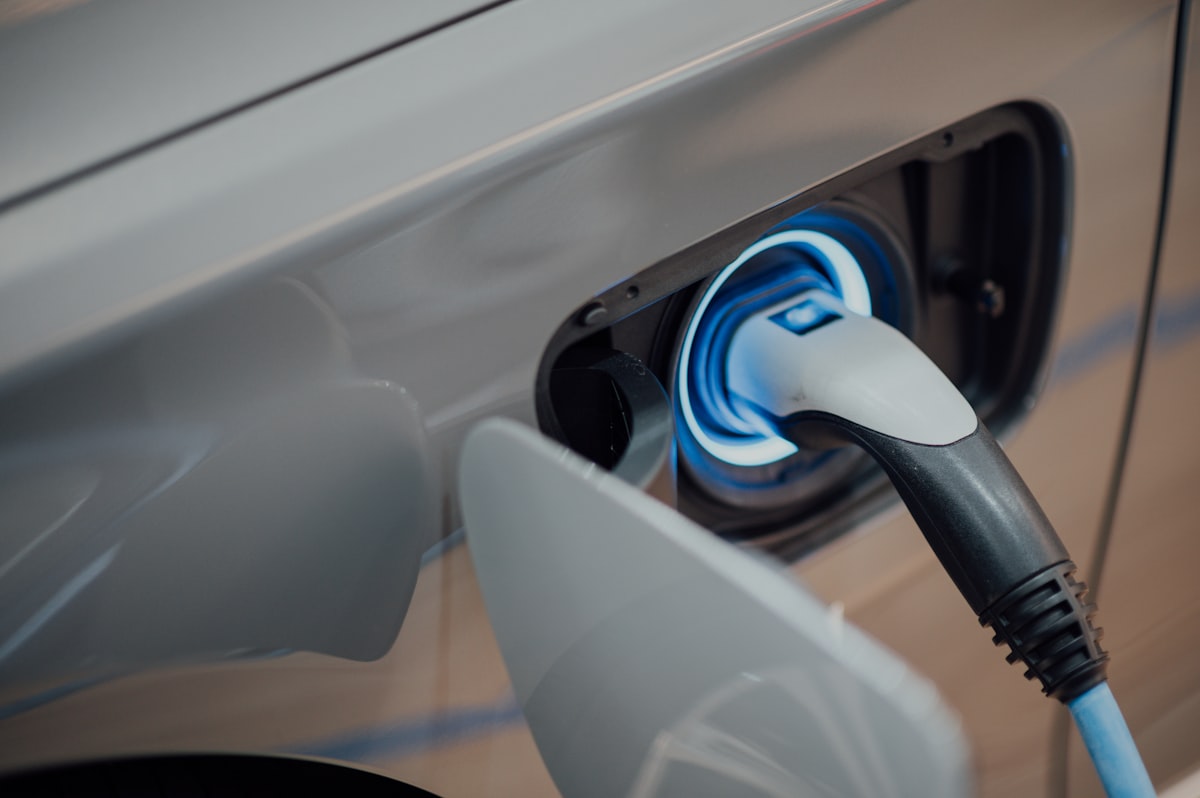
As commercial transportation transitions toward alternative fuels across Indian cities, fleet operators face a critical operational question: How do refueling queue dynamics compare between Compressed Natural Gas (CNG) vehicles and Electric Vehicles (EVs)?
While both technologies reduce operating costs compared to diesel, their bottleneck characteristics and service turnaround times follow fundamentally different dynamics.
1. Service Velocity: 4 Minutes vs 40 Minutes
The core difference between CNG and EV charging queues lies in individual vehicle service time:
- CNG Refueling: Takes 3 to 5 minutes per vehicle. A 10-car queue backed up at a 4-nozzle station clears in roughly 12 to 15 minutes.
- DC Fast EV Charging: Takes 30 to 50 minutes per vehicle (10% to 80% SOC). A 4-charger hub with 4 waiting EVs can mean a 45-minute static wait before charging even begins.
2. Bottleneck Structural Characteristics
Because EV charging times are 8x longer than CNG refueling, EV charging hubs experience "occupancy lockouts" where all chargers remain continuously occupied for long stretches.
Conversely, CNG station queues are driven by peak-hour traffic volume rather than per-vehicle dwell time. When peak traffic subsides, CNG queues dissipate rapidly.
📊 Fleet Manager Takeaway
CNG remains the workhorse for high-mileage commercial fleets operating 200+ km daily shifts, while EVs excel in urban delivery routes with planned overnight depot charging.