
Managing City Gas Distribution (CGD) infrastructure is a complex engineering task involving pressure management, gas allocation, compressor sizing, and supply chain logistics. With over 300 authorized Geographical Areas (GAs) across India, operators face daily operational challenges in smoothing out station congestion.
This industry overview explores how CGD networks like Gujarat Gas, Adani Total Gas, Mahanagar Gas, Indraprastha Gas, and Torrent Gas optimize station throughput and dispatch strategies.
1. Supply Logistics: Online Pipeline vs. Daughter Booster Stations
A primary bottleneck in expanding CNG coverage is the distinction between online stations connected to natural gas pipelines and off-grid Daughter Booster Stations (DBS):
- Online Stations: Direct pipeline access ensures continuous high-pressure gas input. Operators install multi-stage electric compressors (typically 1,000 to 1,500 $Nm^3/hr$) that keep dispensing pressure stable at 200–220 BAR regardless of vehicle volume.
- Daughter Booster Stations (DBS): Located away from pipelines, gas is supplied via mobile cascades transported on trucks. As cascade pressure drops, booster compressors work harder, leading to temporary throughput slowdowns between cascade truck swaps.
2. Cascade Management & Smart Pressure Sequencing
To maximize filling efficiency, modern dispensers use 3-bank priority panel sequencing (Low, Medium, High pressure banks):
- When a vehicle connects, gas flows first from the Low-pressure bank to equalize tank pressure quickly.
- The valve automatically switches to the Medium-pressure bank as tank pressure builds.
- Finally, the High-pressure bank caps off the cylinder to full 200 BAR rating.
Proper automated sequencing reduces compressor wear and reduces per-vehicle fill duration by up to 25%.
3. Digital Telemetry and Passive Traffic Flow Insights
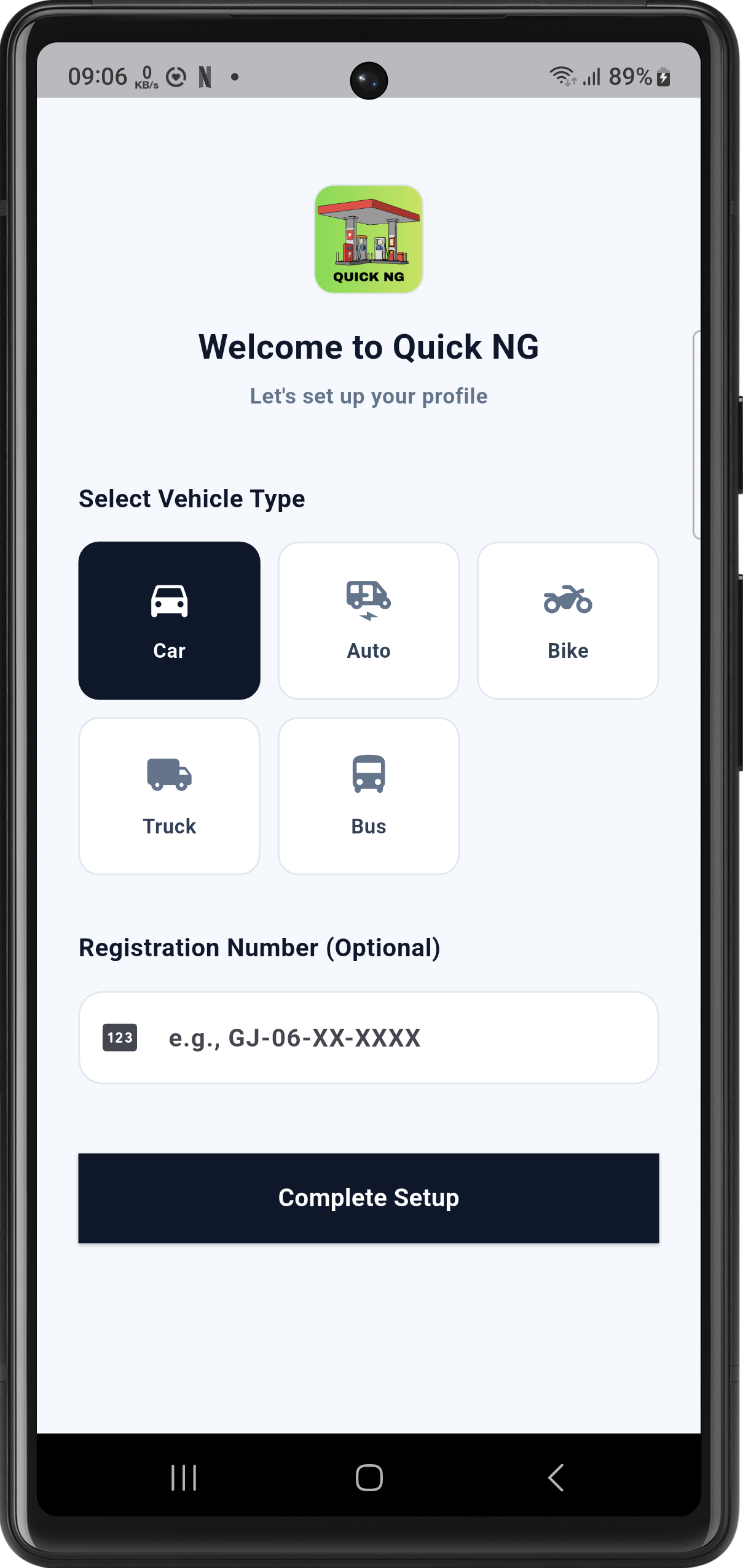
In addition to hardware upgrades, CGD operators are adopting digital telemetry and traffic flow analytics to balance station demand. By monitoring passive vehicle dwell-time trends, operators can identify micro-bottlenecks, optimize cascade truck delivery schedules, and plan high-flow multi-arm dispenser expansions where demand is highest.
⚙️ Industry Summary
Investment in high-capacity online pipeline stations, automated 3-bank pressure sequencing, and digital traffic telemetry forms the foundation of modern, low-friction urban CNG distribution.